




Unlocking the Secrets of Gut Health and Probiotics
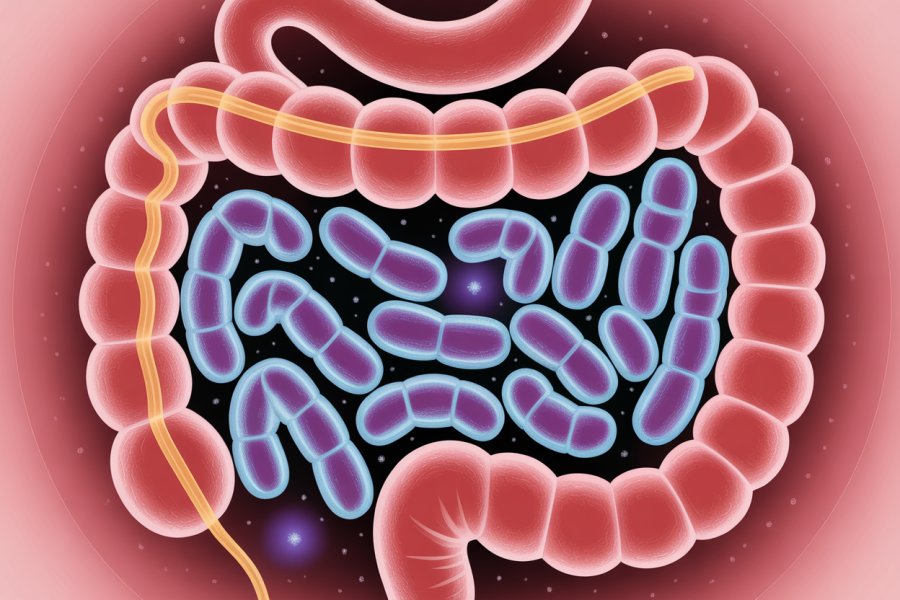
Our gut health is a cornerstone of overall well-being, influencing everything from digestion to immune function. At the core of this system is the gut microbiome—a bustling community of trillions of microorganisms, including bacteria, viruses, fungi, and other microbes that mainly reside in our intestines. These tiny residents are active partners in our health, helping break down food, produce vital nutrients, and defend against harmful pathogens. When this microbial balance is maintained, digestion runs smoothly, and our bodies are better equipped to handle stress and illness.
However, many factors can upset this delicate ecosystem. Poor diet, stress, illness, and antibiotics can all disrupt the microbiome’s harmony, leading to symptoms like bloating, irregularity, and increased vulnerability to infections. Recognizing that our microbiome is a dynamic and sensitive environment underscores the importance of caring for its health. It’s not just about avoiding sickness; it’s about nurturing a complex community that influences our mood, energy, and resilience.
Probiotics come into play as a way to support this microbial balance. These are live microorganisms—often called “good bacteria”—that, when consumed in adequate amounts, can help restore and maintain a healthy gut flora. Found naturally in fermented foods like yogurt, kefir, sauerkraut, and kimchi, probiotics have been part of traditional diets for centuries. Today, they are also available as supplements, making it easier to incorporate them into daily routines. Their main goal is to promote a balanced microbiome, which can aid digestion, reduce bloating, and help recover from disruptions caused by illness or antibiotics.
It’s essential to understand that probiotics are not a one-size-fits-all cure. Their effects are strain-specific and can vary from person to person. Some strains are well-studied for particular benefits, such as preventing diarrhea or supporting immune health, but not all probiotics deliver the same results. This variability highlights the importance of choosing strains suited to your individual needs and using them thoughtfully within a broader context of a balanced diet and healthy lifestyle.
By appreciating the complex nature of our gut ecosystem, we can make more informed decisions about probiotic use. They can be particularly beneficial during times of imbalance—like after antibiotics, periods of stress, or illness—but are not necessary for everyone. Many people can support their gut health simply by eating a diverse diet rich in fiber and fermented foods. Understanding when and how to incorporate probiotics helps optimize their benefits, ensuring they serve as helpful allies rather than unnecessary supplements.
The Real Benefits and Limitations of Probiotics
Probiotics can offer real benefits, especially for supporting gut health and digestion. Certain strains have been shown to help maintain a balanced microbiome, which is crucial for efficient nutrient absorption and regular bowel movements. For example, some probiotics can reduce bloating, gas, and discomfort, making everyday life more comfortable. They’re particularly helpful after illness or antibiotic treatments, helping to replenish beneficial bacteria that these medications can wipe out. In these situations, probiotics act as a recovery aid, giving your gut a helpful boost.
However, these benefits are not universal. Different strains of bacteria provide different effects, and not all probiotics deliver the same results. Lactobacillus rhamnosus might help prevent diarrhea, while Bifidobacterium longum could be more effective at reducing bloating. Because of this strain-specific effect, selecting the right probiotic depends on your particular needs. Plus, individual responses vary—some people notice significant improvements, while others see little or none, especially if their gut bacteria are already balanced.
Probiotics tend to work best during specific moments—like after antibiotics, during stressful periods, or while traveling. During these times, they can give your gut the support it needs to recover more quickly. For most healthy people, eating fermented foods such as yogurt, kefir, sauerkraut, or kimchi regularly may provide enough beneficial bacteria without the need for supplements. Their effects are often temporary and depend heavily on the strains used, the dosage, and personal factors.
Not all probiotic products are created equal. Some may contain fewer live bacteria than advertised, or strains that don’t survive stomach acid long enough to reach the gut. Quality varies widely, and improper storage can kill the bacteria, reducing their effectiveness. Taking probiotics isn’t risk-free either—some individuals can experience mild side effects like bloating or gas, especially when starting out. In rare cases, those with weakened immune systems could face more serious issues, so caution is advised.
Overuse can be counterproductive. Taking high doses or using probiotics unnecessarily might disrupt your natural gut flora rather than support it. If your diet already includes enough fiber and fermented foods, additional supplements may not add much. Remember, probiotics are supportive tools—not cures. They work best when combined with a balanced diet, regular exercise, and stress management. Using them thoughtfully and in the right situations ensures you get the most benefit without unnecessary risks.

Practical Strategies for Incorporating Probiotics into Your Routine
Using probiotics effectively starts with understanding your specific health needs and daily routines. If you’ve recently finished a course of antibiotics or experienced digestive upset, starting a probiotic regimen soon after can help restore your gut’s natural balance. Strains like Lactobacillus rhamnosus or Bifidobacterium bifidum are well-researched for supporting recovery, and taking them consistently for a couple of weeks often delivers noticeable benefits. For ongoing digestive discomfort or stress-related issues, choosing strains backed by scientific evidence and consulting a healthcare professional can help ensure you select the right product and dosage for your situation.
Incorporating fermented foods into your diet is a natural way to support gut health without relying solely on supplements. Yogurt, kefir, sauerkraut, and kimchi contain live beneficial bacteria that help maintain microbiome diversity and balance. These foods are easy to add to meals and provide a broad spectrum of microbes along with other nutrients. If you prefer supplements, capsules, powders, or liquids offer targeted doses, making them convenient during travel, illness, or stressful periods when your gut needs extra support. Both options can be effective, depending on your lifestyle and preferences.
Timing your probiotic use can make a big difference. Short-term courses during travel, stressful times, or after illness can help your gut adapt and recover more quickly. For most people, eating probiotic-rich foods a few times a week is enough to maintain good gut health. Overdoing it—taking high doses or using probiotics daily without specific need—may not provide additional benefits and could even disrupt your natural microbial balance. Pay attention to how your body responds and adjust your probiotic intake accordingly.
Product quality is crucial. Not all probiotics are created equal; some contain fewer live bacteria than advertised, or strains that don’t survive stomach acid long enough to reach the intestines. Look for reputable brands that specify strains backed by research and provide clear CFU counts. Proper storage, such as refrigeration when needed, helps keep bacteria viable until consumption. Choosing high-quality products ensures you’re more likely to experience the intended benefits and avoid wasting money on ineffective or compromised supplements.
Remember that probiotics are tools, not magic cures. They work best when targeted to specific needs—such as recovering from antibiotics or managing stress—rather than as a constant daily routine for everyone. For many, a balanced diet rich in fiber and fermented foods can provide enough beneficial bacteria to support gut health naturally. Using probiotics thoughtfully, during vulnerable periods, maximizes their effectiveness while avoiding unnecessary use that might lead to diminishing returns or side effects.
Integrating probiotics into your lifestyle should complement other healthy habits. Maintaining a diet high in fiber, staying hydrated, managing stress, and exercising regularly all play vital roles in supporting a resilient microbiome. Probiotics can enhance these efforts, especially during times of imbalance, but they shouldn’t replace foundational health practices. When in doubt, consulting a healthcare professional can help tailor a probiotic strategy aligned with your unique needs and goals.
By approaching probiotic use with intention and awareness, you can optimize their benefits. Focus on targeted applications, like post-illness recovery or during stressful periods, rather than relying on them as a daily fix. Natural sources, such as fermented foods, often suffice for maintaining gut diversity for most people. When supplements are needed, select high-quality, strain-specific products and follow recommended guidelines for dosing and duration. This balanced approach ensures probiotics serve as a helpful, supporting part of your broader health toolkit.
Expert Advice and Common Myths About Probiotic Use
Choosing the right probiotic strains makes all the difference. Not all bacteria are equally effective, so selecting strains supported by solid research can maximize benefits. For instance, if you’re aiming to support digestion or recover after antibiotics, strains like Lactobacillus rhamnosus and Bifidobacterium bifidum have strong scientific backing. Trustworthy brands that specify their strains and include adequate CFU counts tend to be more reliable, ensuring you get viable bacteria that reach your gut alive. Be wary of vague claims or products that lack transparency, as their quality and effectiveness can vary widely.
Probiotics aren’t magic pills or quick fixes. Their benefits depend heavily on targeting specific needs, such as preventing diarrhea, boosting immune function, or aiding recovery post-illness. Choosing products based on your particular goal helps ensure you’re using strains proven effective for that purpose. Many misconceptions persist—like the idea that more bacteria always equals better results. In reality, effectiveness hinges on strain selection, survival through stomach acid, and personal response. Picking the right probiotic requires understanding these factors rather than relying on broad, unfocused supplementation.
Individual responses to probiotics can vary dramatically. Some people experience rapid improvements, while others see little change, especially if their gut microbiome is already balanced. This variability underscores the importance of personalized advice. If you’re unsure which product suits you, consulting a healthcare professional can help identify strains aligned with your goals and avoid wasting money on ineffective options. Using probiotics thoughtfully, rather than indiscriminately, leads to more consistent and meaningful results.
Product quality remains a common concern. Many supplements contain fewer live bacteria than advertised or strains that don’t survive stomach acid long enough to reach the intestines. Proper storage—like refrigeration when required—helps keep bacteria viable until consumption. Carefully reading labels for clinical backing and CFU counts improves your chances of experiencing the intended benefits. Being selective with brands and formulations ensures you’re investing in products that can deliver real results, not just overpriced placebos.
Probiotics should be viewed as supportive tools, not cures. They work best when targeted to specific needs, such as recovery after antibiotics or during periods of stress. For most people, a balanced diet rich in fiber and fermented foods provides enough beneficial bacteria for maintaining gut health naturally. When supplements are necessary, they should complement other healthy habits, not replace them. Thoughtful, strategic use—focused on periods of vulnerability—maximizes benefits while minimizing waste or potential side effects.
Staying informed is crucial for making smart choices. Read labels carefully, understand your goals, and set realistic expectations. Probiotics aren’t a one-size-fits-all solution, but with careful selection and timing, they can be a valuable part of your health toolkit. Use them during specific needs, like after illness or during stressful times, and rely on high-quality products backed by science. When combined with good lifestyle habits, probiotics can support a resilient, balanced microbiome that enhances your overall well-being.

Smart Use of Probiotics: Summarizing Key Insights and Tips
Using probiotics effectively means understanding when they can truly make a difference. They shine brightest during specific moments—after completing antibiotics, during stressful periods, or when traveling and your gut feels vulnerable. In these situations, a short course of targeted strains can help restore balance and support digestion, speeding up recovery and reducing discomfort. For everyday health, many find that incorporating fermented foods like yogurt, kefir, sauerkraut, or kimchi into their diet provides enough beneficial bacteria to maintain a healthy microbiome without needing supplements. This natural approach offers a broad spectrum of microbes and nutrients, often making additional supplementation unnecessary.
Choosing the right probiotic strains matters. Products backed by scientific research, clearly listing their strains and CFU counts, tend to be more reliable. If your goal is recovery after antibiotics or managing specific digestive issues, look for strains like Lactobacillus rhamnosus or Bifidobacterium bifidum. Proper storage, such as refrigeration when required, ensures the bacteria stay alive until you consume them. Focusing on quality and targeted use increases your chances of experiencing real benefits without wasting money on ineffective or subpar products.
Timing your probiotic use can significantly influence outcomes. Short-term courses during travel, illness, or stressful episodes help your gut adapt and recover faster. For routine maintenance, eating probiotic-rich foods a few times weekly often suffices, reducing the temptation to overdo it. Excessive intake or high doses without clear need might not only be unnecessary but could also disrupt your natural gut balance. Pay attention to your body’s signals and adjust your probiotic routine accordingly, ensuring they support your health rather than complicate it.
Probiotics are tools designed to support, not replace, a healthy lifestyle. Combining their use with a diet high in fiber, regular exercise, and effective stress management maximizes their potential. They work best when integrated into an overall approach to well-being, especially during times of imbalance or vulnerability. Consulting a healthcare professional can help tailor a probiotic strategy suited to your unique needs, guiding you toward the most effective strains and timing.
Ultimately, adopting a thoughtful and targeted approach to probiotic use helps you harness their benefits without unnecessary reliance. Focus on periods of specific need—such as post-illness or during stressful times—and choose high-quality, strain-specific products. Natural sources like fermented foods often provide sufficient benefits for most people, making supplementation a strategic choice rather than a default. When combined with healthy habits, probiotics become a valuable part of your broader health toolkit, supporting a resilient and balanced microbiome that enhances your overall well-being.