




Probiotics are hailed as a natural boost for digestive health, supporting everything from digestion to immune function. But do they truly deliver on their promises, or are their limitations often overlooked? This exploration reveals that while beneficial bacteria can restore gut balance, reduce bloating, and enhance nutrient absorption, their effects are far from universal. Factors like strain variability, product quality, and individual microbiomes mean results can differ wildly—some may experience relief, others side effects or no benefits at all. For most, incorporating probiotic-rich foods like yogurt or fermented vegetables offers a simple, healthy strategy, yet overuse or improper storage can diminish their impact. As science advances, the hope for personalized probiotics tailored to our unique microbiomes grows, promising more targeted and effective health solutions. But with ongoing research unveiling new possibilities, one wonders: could the tiny microbes destined to revolutionize wellness, or do their limitations still outweigh their gains?

Unlocking the Power of Probiotics for Digestive Wellness
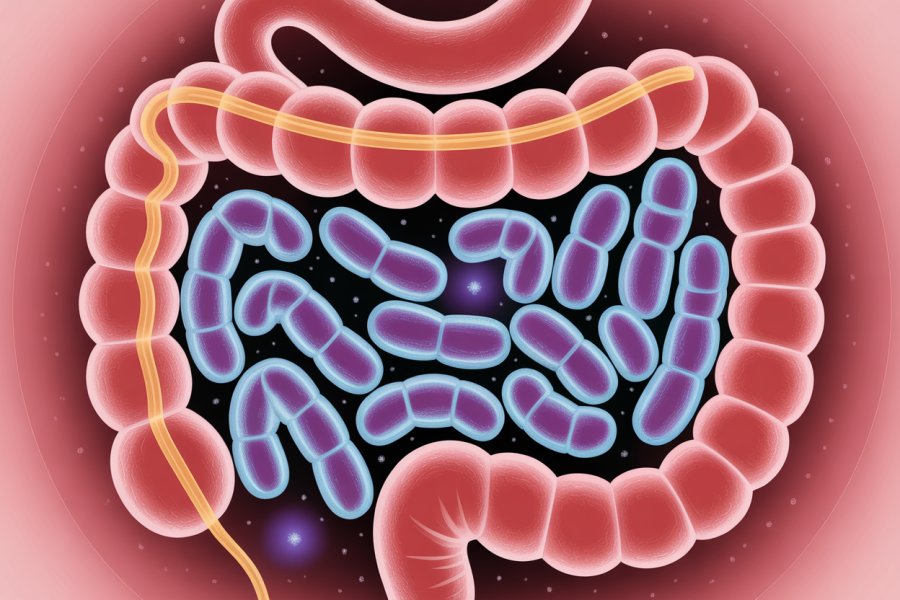
Probiotics are live microorganisms, often called the “good bacteria,” that support digestive health when consumed in adequate amounts. They naturally live in our gut and play a crucial role in maintaining a balanced microbial community. These beneficial microbes are found in fermented foods like yogurt, kefir, sauerkraut, and kimchi, as well as in dietary supplements. The idea behind probiotics is straightforward: adding helpful bacteria can assist digestion, bolster the immune system, and promote overall well-being.
As awareness of the microbiome’s influence on health continues to grow, so does interest in probiotics. Many people see them as a simple way to improve gut function, especially since an imbalance of bacteria can cause bloating, gas, and irregular bowel habits. Proponents suggest that these tiny organisms do more than aid digestion—they may also help train the immune system to respond more effectively, potentially reducing inflammation and infection risks. However, the science behind these claims isn’t entirely clear-cut, and individual responses vary widely.
Understanding what probiotics do is key. They help break down food, making nutrients more available for absorption, and support regular bowel movements. They can also help restore microbial balance after antibiotics or gastrointestinal disturbances. Despite these benefits, not all probiotics are created equal—different strains have different effects, and what works for one person might do little for another. Factors like specific bacteria, dosage, and duration of use influence their effectiveness.
It’s worth noting that probiotics aren’t a one-size-fits-all solution. Some people experience mild side effects such as bloating or gas initially, but these tend to diminish over time. For individuals with weakened immune systems or serious health conditions, probiotics may pose risks, and consulting a healthcare professional before starting them is advisable. Recognizing these limitations helps set realistic expectations and prevents unnecessary concerns.
Incorporating probiotics into daily life can be simple. Consuming probiotic-rich foods like yogurt, kefir, or fermented vegetables regularly supports a healthy microbiome. For those opting for supplements, choosing high-quality products with clearly labeled strains and proper storage ensures potency. Pairing probiotics with a fiber-rich diet enhances their benefits, as fiber provides nourishment for the beneficial bacteria.
While probiotics are not a cure-all, they can be a valuable part of a broader health strategy. Knowing their roles and limitations allows for smarter choices—whether in food, supplements, or lifestyle. As research advances, we’re gaining a clearer picture of how these tiny microbes influence our health, making it easier to integrate them thoughtfully into our routines.
How Probiotics Cultivate a Thriving Gut and Boost Immunity
Probiotics are celebrated for their ability to foster a balanced and resilient gut microbiome, which is essential for smooth digestion and overall health. When beneficial bacteria are introduced into the gut, they help maintain diversity and harmony among microbial communities, making digestion more efficient and reducing common issues like bloating, gas, and irregularity. These “good bacteria” assist in breaking down food more thoroughly, ensuring nutrients are absorbed properly and waste is processed effectively.
Beyond supporting digestion, probiotics play a vital role in strengthening the immune system. A large portion of our immune defenses resides in the gut, where beneficial bacteria interact with immune cells to enhance their response. When the microbiome is balanced, it can better respond to infections, reduce inflammation, and even prevent some gastrointestinal illnesses. Many people notice fewer colds or stomach discomforts after consistently consuming probiotic-rich foods or supplements, as their immune resilience improves.
Probiotics also aid in nutrient processing, helping the body break down complex carbohydrates, fats, and proteins more efficiently. This not only improves nutrition but can also ease symptoms like indigestion and constipation. Certain strains have demonstrated their ability to promote regularity and reduce discomfort, making daily routines more comfortable and manageable. Their role in restoring microbial balance after antibiotic treatments further underscores their importance in maintaining gut health.
Individual responses to probiotics vary widely due to differences in microbiomes and health conditions. Some strains are especially effective at reducing bloating or supporting immune function, but not all probiotics deliver the same benefits for everyone. This variability highlights the importance of selecting strains suited to personal health goals and consulting healthcare professionals when needed. When chosen thoughtfully, probiotics can be a powerful tool to enhance digestive health and bolster overall well-being.
Incorporating probiotics into your routine is straightforward. Regularly consuming probiotic-rich foods like yogurt, kefir, sauerkraut, or kimchi helps sustain a healthy microbiome. For supplements, opting for high-quality products with clearly labeled strains and proper storage ensures maximum potency. Pairing these with a fiber-rich diet supports the growth and activity of beneficial bacteria, creating a comprehensive approach to gut health. When used consistently and thoughtfully, probiotics can make a meaningful difference in how you feel every day.

Navigating the Limitations and Safety of Probiotic Use
While probiotics are generally safe for most people, it’s important to be aware of their limitations and the factors that can influence their effectiveness. Many individuals experience mild side effects like gas, bloating, or stomach discomfort when first introducing probiotics. Usually, these symptoms fade as the body adjusts, but persistent or worsening issues should prompt a reevaluation of use. Recognizing these early signs can prevent unnecessary discomfort and help determine if probiotics are suitable for your needs.
Not all probiotic strains deliver the same benefits. Some have been extensively studied and proven effective for specific issues, while others lack solid evidence. Because responses vary widely depending on your unique microbiome and health status, selecting the right strains often requires guidance from a healthcare professional. What works wonderfully for one person might have little effect on another, emphasizing the importance of personalized choices.
The quality and dosage of probiotic products play a crucial role. Taking too little may result in no noticeable benefit, while excessive amounts could cause side effects like increased gas or diarrhea. Many supplements contain fewer live bacteria than claimed or lose potency if stored improperly, which diminishes their effectiveness. Choosing reputable brands with transparent labeling and proper storage instructions ensures you get what you pay for.
Individuals with weakened immune systems or serious health conditions should approach probiotics cautiously. In rare cases, live bacteria might cause infections or other complications, especially in vulnerable populations. Consulting a healthcare provider before starting probiotics is essential to avoid potential risks and tailor usage to your specific health circumstances. This cautious approach helps ensure safety while still reaping possible benefits.
The timing and duration of probiotic use matter as well. Daily supplementation isn’t always necessary or advisable for everyone. Some may benefit from periodic use during stressful periods, after antibiotics, or when experiencing digestive discomfort. Overusing probiotics without clear need might disrupt your natural microbiome balance and reduce long-term effectiveness. Monitoring your response and adjusting frequency accordingly can optimize results.
Storage conditions significantly impact probiotic viability. Many supplements require refrigeration to keep bacteria alive, and expired or improperly stored products lose potency. Using compromised products not only diminishes their benefits but can also pose health risks. Proper storage—following label instructions—ensures the bacteria remain viable until consumption, maximizing their potential benefits.
While probiotics hold promise, understanding their limitations helps set realistic expectations. They are not a cure-all and won’t work identically for everyone. Being mindful of individual responses, product quality, and proper use ensures you incorporate probiotics safely and effectively. This balanced approach allows you to harness their benefits without overestimating their capabilities.
Incorporating probiotics thoughtfully into your routine involves more than just taking a supplement or eating fermented foods. Recognizing when they’re appropriate, selecting quality products, and listening to your body’s signals create a sustainable, beneficial habit. By doing so, you support your gut health responsibly, making probiotics a helpful addition rather than a gamble in your overall wellness journey.
Smart Strategies to Incorporate Probiotics into Your Daily Diet
Integrating probiotics into your daily routine becomes simple when you focus on natural, whole foods. Yogurt, kefir, sauerkraut, and kimchi are excellent sources of live beneficial bacteria that, when consumed regularly, support a diverse and balanced microbiome. These foods can be easily added to breakfast bowls, salads, or snacks, making healthy choices both enjoyable and convenient. Incorporating a variety of fermented foods not only boosts your gut health but also introduces flavors and textures that keep meals interesting.
If you prefer supplements, opt for high-quality probiotics with clearly labeled strains and proper storage instructions. Look for products that specify the probiotic strains included, as different bacteria serve different purposes. Proper storage, often refrigeration, ensures the bacteria remain alive and effective until consumption. Starting with small doses allows you to monitor your body’s response, then gradually increasing intake can help maximize benefits without overwhelming your system.
Pair probiotics with a fiber-rich diet. Foods like fruits, vegetables, whole grains, and legumes provide the prebiotic fibers that serve as nourishment for beneficial bacteria. This combination creates a supportive environment where probiotics can thrive and do their best work, leading to improved digestion and overall gut health. Think of fiber and probiotics as a team working together to keep your microbiome resilient and balanced.
Deciding how often to consume probiotics depends on your individual needs and health goals. For general wellness, a few probiotic-rich foods a few times a week might suffice. During periods of stress, illness, or after antibiotic treatments, daily supplements can help restore and maintain your gut flora. Routine use isn’t necessary for everyone, but consistency helps build and sustain a healthy microbiome over time. Listen to your body and adjust your intake accordingly.
For those recovering from antibiotics or experiencing digestive discomfort, probiotics can support the rebuilding of your gut ecosystem. Incorporating them during and after treatment may accelerate recovery and prevent imbalances. However, they should complement prescribed medical treatments and not replace them. Consulting a healthcare professional can help tailor the right strains and dosing schedule for your specific circumstances.
Finally, proper storage and mindful use are key to getting the most from probiotics. Keep supplements refrigerated if required, and discard expired or improperly stored products. Regular, moderate intake—whether through food or supplements—works best for maintaining a resilient microbiome. Paying attention to your body’s signals and making adjustments ensures probiotics serve as a helpful, sustainable part of your healthy lifestyle.
Future Horizons: Personalized Microbiome Therapies and Scientific Breakthroughs
As research into probiotics continues to advance, the horizon of possibilities expands. New strains and formulations are emerging, each promising more targeted and effective health benefits. Scientists are gaining deeper insights into how specific bacteria interact uniquely with our individual microbiomes, paving the way for personalized probiotic therapies. This tailored approach could revolutionize how we incorporate probiotics into our lives, making them more than just general supplements and transforming them into precise tools for enhancing digestion, immune support, and even mental well-being.
Beyond traditional digestive benefits, ongoing studies are exploring the broader potential of probiotics. Researchers are investigating their roles in reducing chronic inflammation, managing long-term health conditions, and influencing mood regulation—areas once thought unlikely for these tiny microbes. While these developments are promising, they also highlight the need for rigorous testing to ensure safety and real efficacy. Not every strain showing initial promise will make it through clinical trials, and some may take years before becoming mainstream components of health routines.
Despite the exciting prospects, it’s crucial to maintain a balanced perspective. The complexity of the microbiome means that responses will always vary from person to person. Personalized medicine, which considers individual genetics, lifestyle, and existing microbiota, will be key to unlocking the true potential of probiotics. This approach reminds us that there’s unlikely to be a one-size-fits-all solution; instead, targeted strategies will be essential for safe and effective use.
For consumers eager to benefit from these advances, staying informed is more important than ever. Choosing reputable products with transparent labeling and proper storage is essential to ensure safety and potency. Consulting healthcare professionals can help tailor probiotic use to your specific health profile, avoiding unnecessary risks and maximizing benefits. As scientific understanding deepens, it will become easier to select the right strains and dosages for your unique needs.
While probiotics are not a cure-all, the future holds exciting promise for their expanded role in health and wellness. Advances in microbiome science could soon enable highly personalized interventions that support overall health more effectively than ever before. With careful research, responsible use, and ongoing innovation, probiotics might evolve from simple gut helpers into versatile allies in our pursuit of sustained well-being. This evolving landscape offers hope, curiosity, and new opportunities to harness the tiny microbes for big health gains.